As a new type of coating, UV curing coatings have been widely used in various fields due to their fast curing and environmental protection characteristics. In the preparation of UV curing coatings, UV Curing Coatings Carbon Black, as a filler material, has also begun to receive more and more attention.
UV Curing Coatings Carbon Black is a granular material composed of carbon elements, which is often used to adjust the color and rheological properties of coatings. In UV curing coatings, the application of carbon black mainly includes the following aspects:
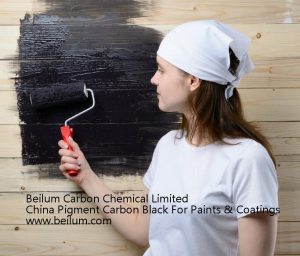
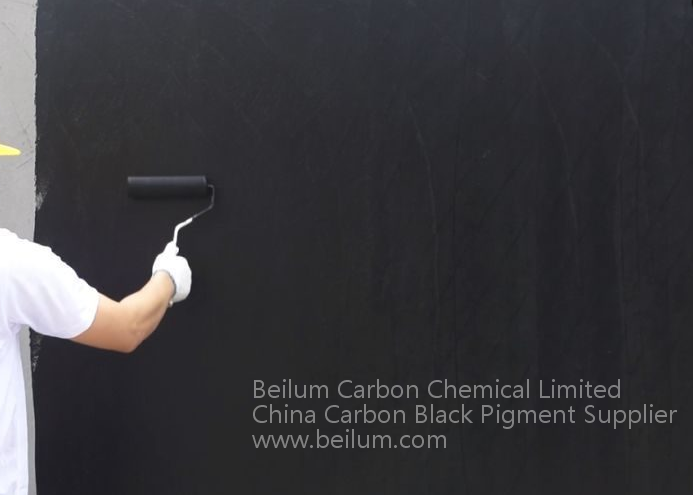
Color adjustment: UV Curing Coatings Carbon Black can be used to adjust the color of coatings due to its highly light-absorbing properties. By adjusting the amount of carbon black added, different tonal effects can be achieved to meet the needs of different customers.
Increasing the firmness of coatings: The uniformity of dispersion and size distribution of carbon black particles in coatings can increase the thickness of coatings, thereby improving the firmness and wear resistance of coatings.
Improving the hiding power of coatings: The dispersed state of carbon black particles in coatings can effectively fill the tiny pores in coatings, thereby improving the hiding power and anti-penetration of coatings.
However, the application of UV Curing Coatings Carbon Black also has some challenges that need to be addressed through optimization strategies:
Dispersion and stability: The dispersion and stability of UV Curing Coatings Carbon Black in coatings directly affect the quality and performance of coatings. Therefore, in the process of adding carbon black, it is necessary to select appropriate dispersants and adjust the stirring process and time to ensure that carbon black can be evenly dispersed in the coating to avoid agglomeration.
Influence of optical properties: The high light absorption of UV Curing Coatings Carbon Black may affect the optical properties of the coating and reduce its gloss. Therefore, when using carbon black, optical properties need to be tested and adjusted to balance the relationship between color and gloss.
Influence of curing speed: The amount and dispersion state of UV Curing Coatings Carbon Black may also affect the curing speed of the coating. Too much carbon black may hinder the penetration of ultraviolet rays, thereby reducing the curing speed. Therefore, when adding carbon black, experimental research is needed to determine the optimal amount and dispersion state to ensure that the coating can be fully cured within the specified time.
In order to optimize the UV Curing Coatings Carbon Black, the following strategies can be adopted:
Choose the right type of carbon black: Different types of carbon black have different properties, such as surface area, light absorption, etc. According to the needs of the coating, choose the right type of carbon black to achieve the best effect.
Optimize the addition process: During the addition of UV Curing Coatings Carbon Black, control the stirring process, time and addition order to ensure that the carbon black can be evenly dispersed in the coating.
Adjustment of optical properties: For the problem of reduced gloss caused by carbon black in the coating, the coating formula can be adjusted appropriately, or a gloss enhancer can be added to balance the optical properties.
Study on curing speed: Conduct research on the amount of carbon black added and the curing speed of the coating to find a balance point and ensure that the coating can be cured within a reasonable time.
As a filler material, UV Curing Coatings Carbon Black has a wide range of application prospects in UV-curing coatings. Through reasonable optimization strategies, challenges in the application of carbon black can be overcome, its advantages in coatings can be brought into play, and contributions can be made to the development of the coating industry. In the future, with the continuous advancement of science and technology, the application of carbon black in UV-curing coatings will achieve greater breakthroughs and innovations.