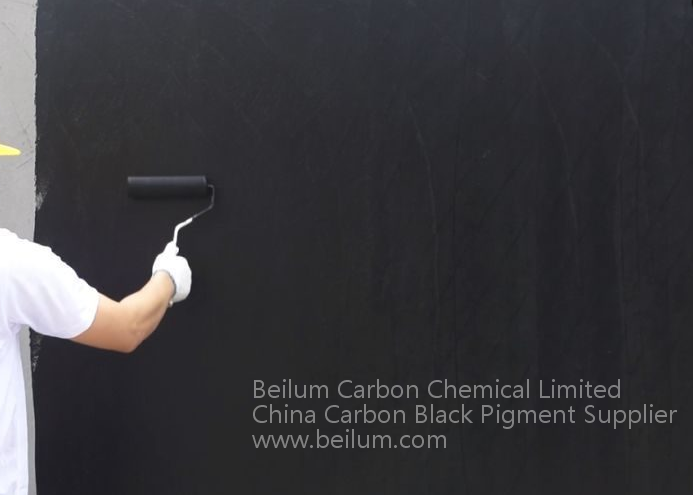
Carbon Black is a granular substance made of carbon and is widely used in industrial fields such as rubber, plastics, inks and coatings. However, the production and use of carbon black also brings about some environmental and health problems, so regulatory measures need to be strengthened to reduce its potential negative impacts.
The production process of carbon black releases large amounts of particulate matter and organic pollutants. These pollutants are suspended in the air and can be inhaled by the human body, posing a potential threat to human health. Research shows that long-term exposure to carbon particles can lead to health problems such as respiratory disease, cardiovascular disease and lung cancer. Therefore, reducing pollutant emissions during production is key to protecting the environment and human health.
The use of carbon black may also have an impact on the environment. For example, during the use of rubber products, carbon black particles will gradually be released into the environment, causing soil and water pollution. In addition, black carbon can also have a negative impact on biodiversity and destroy ecological balance. Therefore, corresponding regulatory measures need to be developed to control the use and handling of Black carbon to reduce its potential harm to the environment.
In order to deal with the environmental and health impacts, countries have adopted a series of regulatory measures. First, strengthen environmental supervision in the production process and require companies to adopt cleaner production technologies to reduce the emission of harmful pollutants. At the same time, the supervision and inspection of production enterprises will be strengthened to ensure that they comply with environmental standards and regulations.
In addition, the use of black carbon also needs to be strengthened. Formulate relevant regulations and standards to limit the use of carbon black in specific products, encourage companies to adopt alternative materials or technologies, and reduce the environmental impact . At the same time, we will strengthen the management and processing of waste carbon black to ensure its safe and harmless disposal and prevent secondary pollution to the environment.
Strengthening the disclosure and publicity of carbon black-related information is also one of the important regulatory measures. Improve the public’s awareness and understanding of carbon-black, and guide companies and individuals to take positive environmental protection actions. In addition, communication and cooperation with production companies and users can also be strengthened to jointly promote the sustainable development of the carbon black industry.
The environmental and health impacts of Black carbon cannot be ignored, and regulatory measures need to be strengthened to reduce its potential negative impacts. By strengthening environmental supervision in the carbon black production process, controlling the amount of carbon-black used and strengthening the management of waste carbon black, the impact of carbon black on the environment and human health can be effectively reduced.
In addition, strengthening publicity and promoting industrial cooperation are also important measures to promote the sustainable development of the carbon-black industry. Only by fully implementing regulatory measures can the sustainable development of the industry and the harmonious coexistence of environmental health be achieved.