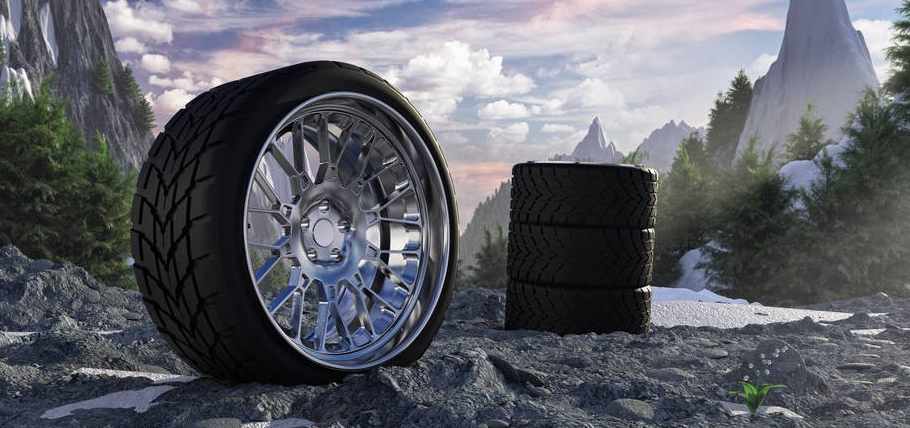
Rubber Carbon black, a black powdery substance composed of carbon elements, is a common industrial raw material and is widely used in the rubber industry, especially in tire manufacturing. Adding carbon black to tires can achieve many aspects of optimization, one of which is to significantly improve the antioxidant performance of tires.
Oxygen is one of the main factors that cause tire aging and deterioration, which can cause the rubber material to break, harden, and crack on the surface. Carbon black has extremely high adsorption properties and can absorb and neutralize oxygen, thereby reducing the contact between oxygen and rubber materials and reducing the incidence of oxygen-induced oxidation reactions, thereby delaying the aging process of tires.
Rubber Carbon black can also absorb and disperse ultraviolet rays, further protecting tires from damage by ultraviolet rays. Ultraviolet radiation can cause rubber materials to break and deteriorate, thereby reducing the service life of tires. By adding an appropriate amount of carbon black to rubber, the energy of ultraviolet rays can be absorbed and dispersed to a certain extent, reducing the exposure of ultraviolet rays to tire materials, thereby slowing down the aging of tires.
Rubber Carbon black can also improve the thermal conductivity of tires, help dissipate heat, and thus reduce the aging rate of tires in high temperature environments. Under high temperature conditions, rubber materials tend to soften and deteriorate, affecting the performance and safety of tires. Through the thermal conductivity of carbon black, heat can be more effectively transferred from the inside of the tire to the surface, and the heat dissipation can be accelerated, thereby maintaining the stability and performance of the tire.
The application of Rubber carbon black in tire manufacturing has made an important contribution to the antioxidant performance of tires. It reduces the occurrence of oxidation reactions by adsorbing and neutralizing oxygen; absorbs and disperses ultraviolet rays to protect tires from ultraviolet damage; improves thermal conductivity, reduces the aging rate under high temperature environments, and comprehensively improves the durability and reliability of tires. However, it should also be noted that in the process of applying carbon black, reasonable ratios and manufacturing processes are equally important to ensure that carbon black can play its best antioxidant effect, thereby providing good protection for the long-term use of tires.
As an indispensable part of tire manufacturing, Rubber carbon black has made an important contribution to improving the antioxidant performance of tires. With the continuous advancement of science and technology and the improvement of processes, it is believed that Rubber carbon black will continue to play more advantages in the tire industry in the future, and continue to create new possibilities for the reliability and durability of tires.