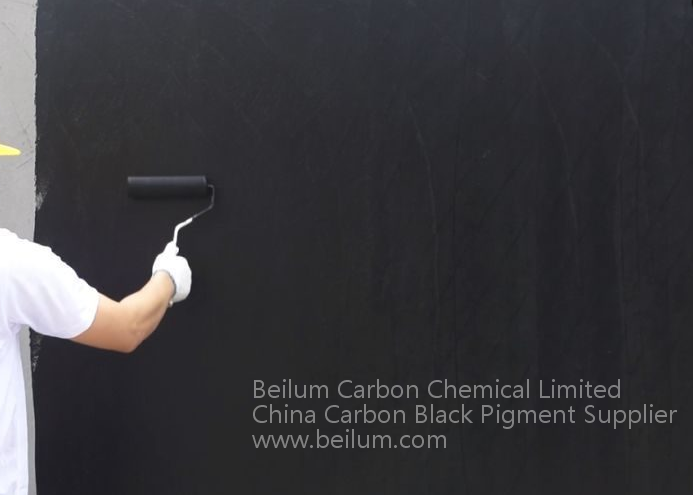
Rubber carbon black is an important industrial material and is widely used in rubber, plastics, coatings and other fields. It has excellent blackening, reinforcing and hardening properties, and can significantly improve the mechanical properties and wear resistance of the material.
The preparation of rubber carbon black mainly includes two methods: carbon black deposition and carbon black combustion. Carbon black deposition is to crack alkane gas under the action of a catalyst to generate gas containing carbon black, and then deposit the carbon black onto a solid carrier through processes such as cooling and condensation.
Carbon Black combustion is to burn carbon materials to high temperatures so that they form carbon black under the action of oxygen. Both methods have their own characteristics, and the specific choice should be determined based on production requirements and raw material conditions.
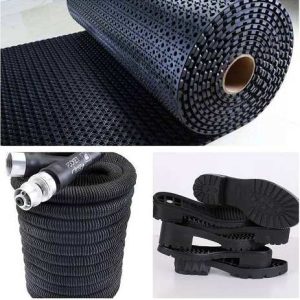
For carbon black deposition methods, catalyst selection is key. Commonly used catalysts include metal oxides, metal salts and metal composite catalysts. The type and amount of catalyst will directly affect the morphology and structure of carbon black. In addition, the stability and regeneration of the catalyst need to be considered to reduce production costs.
Deposition temperature and deposition time have an important impact on the quality and yield of carbon black. Appropriate deposition temperature and time can increase the crystallinity and specific surface area of carbon black, improve its dispersion and enhance performance.
At the same time, attention should also be paid to controlling other conditions during the reaction process, such as gas flow, catalyst dosage, reaction pressure, etc., to ensure the stability and consistency of the preparation process. Carbon Black N330
For carbon black combustion methods, combustion temperature and oxygen concentration are key parameters.
High temperature and appropriate oxygen concentration can promote the complete combustion of carbon materials and form high-quality carbon black. In addition, attention must be paid to controlling the rate and uniformity of the combustion reaction to avoid reduction in carbon black quality caused by excessive combustion or incomplete combustion.
Whether it is carbon black deposition or carbon black combustion method, the subsequent carbon black treatment steps are also very important. Generally speaking, the prepared carbon black also needs to undergo grinding, dispersion and surface modification processes to improve its dispersion and increase compatibility with the matrix material. In addition, the mechanical properties and blackening effect of carbon black can be adjusted by controlling its microstructure and pore characteristics. Carbon Black N326
In the actual production process, we should also pay attention to the issues of environmental protection and energy consumption. By optimizing the preparation process and improving equipment, the emissions of waste gas and waste water can be reduced, and environmental pollution can be reduced. At the same time, rational utilization of waste heat and useful components in exhaust gas can improve energy utilization efficiency and reduce production costs. Carbon Black N220
The preparation process and technical points of rubber carbon black involve catalyst selection, reaction condition control, follow-up treatment, etc. By rationally selecting and optimizing these points, the quality and yield of rubber carbon black can be improved to meet the needs of different fields. At the same time, attention should also be paid to environmental protection and energy consumption issues to promote the sustainable development of rubber carbon black preparation technology. Carbon Black N660
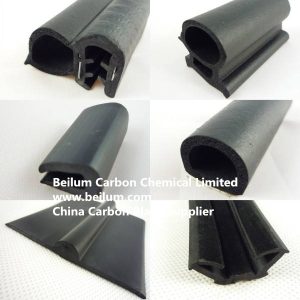
Beilum Carbon Chemical Limited
China Carbon Black manufacturer With the highest-quality Carbon Black at the most competitive prices.
Welcome to contact us for detailed information.