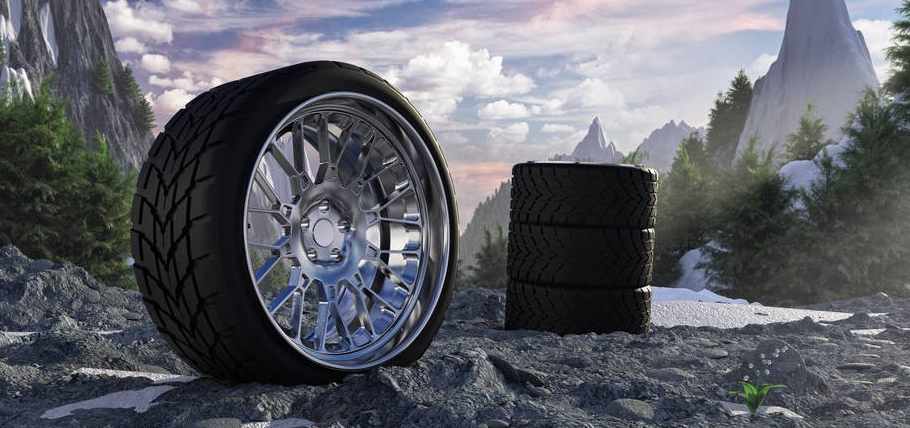
As an important filler and reinforcing agent, Carbon Black N220 has the characteristics of high surface area, high structure and high tear strength, and is widely used in the rubber industry.

Application of Carbon Black N220 in rubber
N220 carbon black is a typical carbon black variety with small particle size and large specific surface area. Therefore, adding Carbon Black N220 to rubber can effectively enhance the mechanical properties of rubber. Carbon black has good compatibility with rubber and can be evenly dispersed in the rubber matrix to improve the strength and wear resistance of rubber.
In addition, Carbon Black N220 can also provide the black appearance required for rubber products, and help absorb ultraviolet rays to improve the weather resistance of rubber.
Effect of Carbon Black N220 on rubber properties
Strength and hardness: The high structure of N220 carbon black makes it play a reinforcing role in rubber. The interaction between carbon black and rubber molecular chains enhances the cohesion of rubber, thereby improving the tensile strength and hardness of rubber products. This is especially important for rubber products with high strength requirements such as automobile tires.
Wear resistance: The high specific surface area of carbon black particles can increase the friction contact area between rubber and the ground and improve the wear resistance of rubber. Therefore, adding an appropriate amount of N220 carbon black can significantly extend the service life of rubber products.
Weather resistance: Rubber products exposed to ultraviolet rays in outdoor environments will be exposed to ultraviolet rays, resulting in aging and deterioration. Carbon Black N220 has the ability to absorb ultraviolet rays, which can protect rubber to a certain extent and improve the weather resistance of rubber products.
Optimization of the amount of Carbon Black N220 added
Although N220 carbon black has a significant improvement on rubber properties, excessive addition may also cause some properties of rubber to deteriorate. For example, too much carbon black may reduce the ductility and toughness of rubber. Therefore, in practical applications, it is necessary to reasonably optimize the amount of carbon black added according to the requirements of specific rubber products to obtain the best performance.