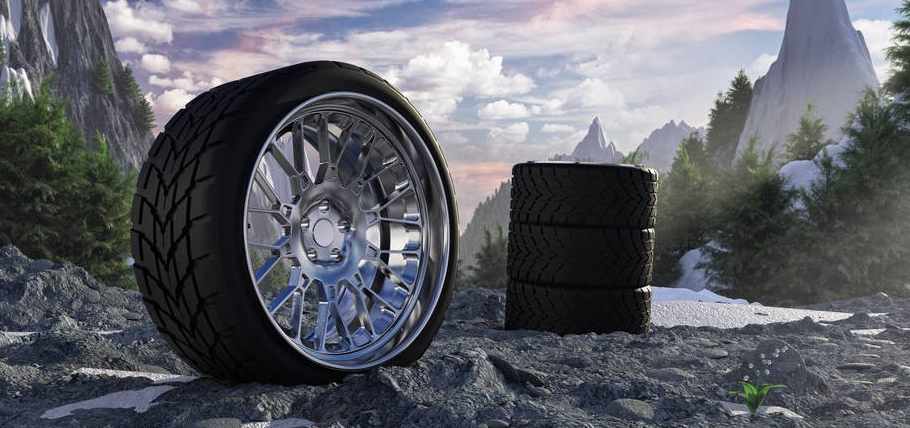
Carbon Black is a black powdery substance made by pyrolysis of carbide, which plays an indispensable role in the rubber industry. Since the discovery of carbon black’s role in enhancing rubber performance, it has become a widely used filler in rubber products.
1. Production and characteristics of Rubber carbon black
Carbon black is usually produced by pyrolysis of hydrocarbons such as natural gas and petroleum. During the production process, these hydrocarbons are heated at high temperatures to decompose them into carbon black and gas. Carbon black is collected in a powder state and has the characteristics of high specific surface area, high adsorption and high blackness. These characteristics give carbon black excellent performance in the rubber industry.
2. Application of carbon black in rubber
Enhance rubber strength and wear resistance: The high specific surface area and high blackness of rubber carbon black make it an excellent filler in rubber products. By incorporating carbon black into rubber composites, the strength and wear resistance of rubber can be significantly improved. This is essential for the manufacture of high-quality tires, belt drives and rubber seals.
Improve conductivity: Rubber Carbon black is an excellent conductive filler that can form a conductive network in rubber. This conductivity makes rubber products widely used in fields such as electrostatic protection, cable insulation and electronic device packaging.
Adjusting rubber hardness: By controlling the amount of carbon black, the hardness of rubber can be effectively adjusted. The change in hardness is very important for rubber products in different application scenarios, such as soft rubber for sealing rings and hard rubber for mechanical parts.
Improving weather resistance: Carbon black has good UV resistance and weather resistance, which can effectively prevent rubber products from aging and deterioration. This is crucial for rubber products used outdoors, such as car tires and outdoor rubber floors.
3. Types and selection of Rubber carbon black
According to the structure and properties of carbon black, it can be divided into several different types, such as thermal carbon black, pyrolytic carbon black, wet carbon black, etc. Different types of carbon black have different applications in rubber. Choosing the right type of carbon black depends on the specific requirements and performance goals of the rubber product.